Back.guide — one part of the Fascia & Physical Structure family
Why James pays attention to backs
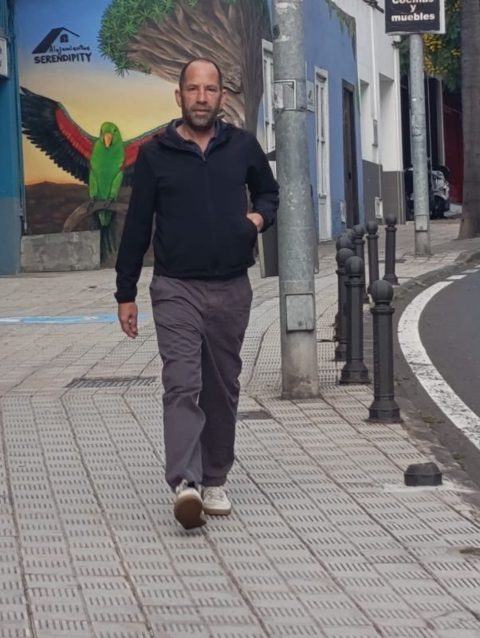
This guide comes from one man's experience of years spent at a desk, on screens, and carrying more load than he properly noticed at the time. It is a personal account, not a diagnosis or a clinical method.
The long build-up
James sees his own experience as shaped by the early office-and-internet era: years of work involving long periods of sitting, screens, decisions, and availability. In his own case, the effects did not arrive as one dramatic injury. They accumulated quietly, until his body felt more restricted than available.
He remembers his early 20s as a period with no real physical issue. He noticed change from around his mid-20s, but did not begin real, focused attention until he was around 50. That is his own timeline, not a template for anyone else.
Who you are talking to
I have been in a lot of rooms.
Most of them with other men. Some of them very ordinary, a few of them not ordinary at all. Every one of them taught me how to listen.
- 01
Thousands of men
Nearly twenty years of recruiting, all over the world. Men at the top of their game, men on the way out, and every one in between.
- 02
Unusual housemates
I have shared a home with a man who had done time, and with a journalist who wrote for the Daily Sport and the News of the World. Neither was dull.
- 03
Famous company
I have spent time with a Premier League footballer and a pop star. Same questions, same worries, better shoes.
- 04
Half the planet
I have navigated half the world and never once been punched. Polite and cheeky, in that order.
- 05
Any room, same man
As happy in a trailer as on a stag do. I have seen in the New Year with a prince, and another with a sheikh.
- 06
Other men’s stories
I take inspiration from other people and live a little through them, in a happy and healthy way. Then I make my own judgement.
I can sit with any man, in any room, and be myself. That is what I bring to the conversation.
James Roberts, Tenerife
Time away changed the question
Around the Covid period, James stepped away from the working life he had known and spent several quieter years living differently. He ran a small B&B, Casa Salvia, and had time to notice what ordinary days were doing to his body, attention, and sense of direction.
Some guests appeared outwardly active or well from the outside and still mentioned ordinary physical niggles. James does not treat that as evidence of anything beyond his own impression. It reinforced one simple thought for him: how a person appears from the outside and how physically available life feels to them are not necessarily the same thing.
What this has to do with your back
James's interest in back stiffness is not based on clinical training. It comes from learning, slowly, to describe his own experience without pretending that another man's body is the same.
For him, the important shift was from asking "What is wrong with me?" to noticing what made ordinary life feel more restricted: sitting, driving, the end of the day, how he carried himself, and what discomfort took away from his attention.
That is the limit of this guide: a set of observations and language for your own reflection, not a claim about what is causing your symptoms or what you should do next.
The fuller story lives on the hub
back.guide is one focused entry point. James's wider account of work, sobriety, the Compressed Method, and the rest of his observations lives on the Fascia family hub.
Medical boundary
This page shares James's personal account. It does not diagnose the cause of back pain or stiffness, say whether a movement is safe, or replace professional assessment.
If symptoms are sharp, escalating, radiating, neurological, breathing-related, post-operative, or otherwise unexplained, seek appropriate professional care. Loss of bladder or bowel control, or numbness around the groin, inner thigh, or saddle area, needs urgent emergency assessment. Back pain after a fall, accident, or direct trauma needs prompt professional assessment.